Where Bed Bugs Hide: A Homeowner's Checklist
Bed bugs are creatures of habit, and knowing their favorite hiding spots is the fastest way to confirm or rule out a problem.
September 23, 2026 · 3 min read
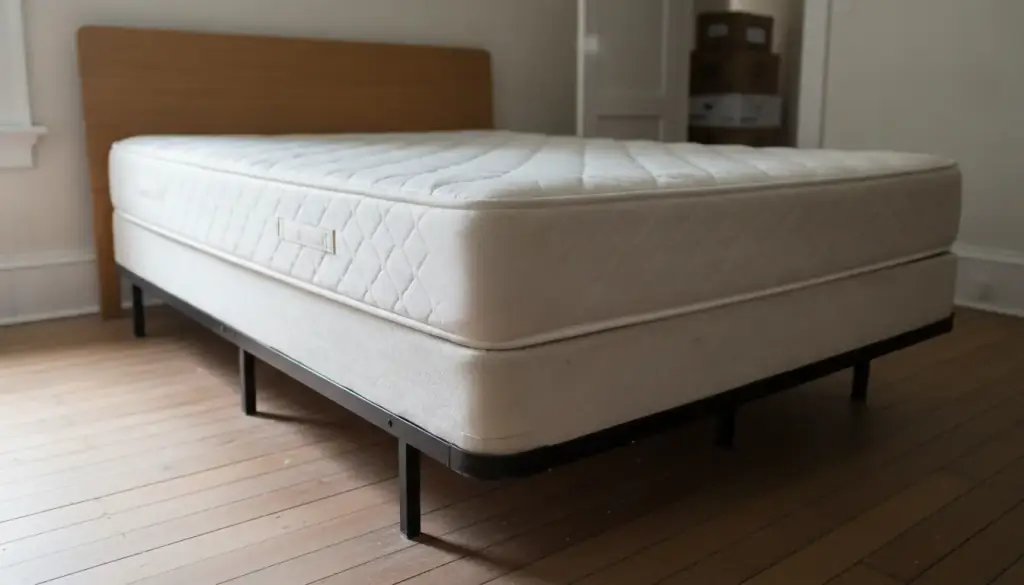
If you've woken up with bites you can't explain, or someone in the house found something small and reddish brown in the sheets, the instinct is to search the whole home. You don't have to start there. Bed bugs are creatures of habit, and they tend to turn up in the same handful of places, over and over, whether the home is in Kingsville or anywhere else in the Baltimore Metro Area.
Where they actually hide
Bed bugs are drawn to upholstered furniture: sofas, loveseats, recliners, and anything with seams or padding they can wedge into. They also settle into the gaps and joints of wood furniture, the frame and box spring of a bed, the edges of carpets, and the folds of draperies and curtains. None of that is exotic. It's the ordinary furniture in an ordinary living room or bedroom, which is exactly why an infestation can sit unnoticed for weeks.
- Upholstered furniture: sofas, loveseats, recliners
- Wood furniture joints and drawer gaps
- Bed frames and box springs, especially the seams
- Carpet edges along baseboards
- Folds and hems of draperies and curtains
It isn't only a bedroom problem
Bed bugs aren't limited to homes, either. They're also commonly found in hotels, vehicles, theaters, and offices, anywhere people sit or sleep for extended periods and fabric gives them somewhere to hide. That's worth knowing if bites start after a trip or a night away from home. A bag or a piece of luggage set on a hotel room floor is a common way they travel from one place to the next.
Signs beyond the bite itself
Bites alone aren't proof of anything, since plenty of people don't react to them at all, and others react to something else entirely. A pattern is more telling: bites clustered on the head and arms, since those areas tend to be exposed overnight. Bed bugs are also more active at night, so a room that looks fine in daylight can still be a problem. Small reddish or dark spotting along a mattress seam, tiny pale shed skins, or a faint musty smell in a heavily used room are all worth a closer look.
What to check before you call
A quick check of the spots above, done with a flashlight in daylight, tells you a lot. Pull the sheets back and look along the mattress seams and piping. Check the joints of the bed frame and the underside of the box spring. Look behind the cushions of any sofa or recliner in the room where the bites happened. None of this takes special equipment, just a careful look at the places bed bugs actually use.
One reason bed bugs are worth catching early is how they move once they're established. In an apartment building or any structure with shared walls, they can travel along wiring, pipes, and the gaps around them to reach an adjoining unit, which is a widely known reason property managers with multiple units tend to treat a single report seriously rather than waiting to see if it spreads on its own. A single bedroom problem left alone doesn't reliably stay a single bedroom problem.
That's also why a landlord or property manager checking a vacated unit before new tenants move in is worth the extra few minutes. The same checklist above, upholstered furniture, bed frame joints, carpet edges, applies whether it's your own bedroom or a unit you're responsible for maintaining.
If you find something
If you spot anything that matches this list, the next step is a proper inspection rather than guesswork. Integrated Pest Services will inspect the property, and if bed bugs are present, will recommend a treatment plan based on the level of infestation, whether that's a single bedroom, a rental unit, or a larger commercial space. There's no single fix that fits every case, which is why the inspection always comes first.
That inspection-first approach applies to homes, apartments, nursing homes, and commercial space alike. Whichever kind of property you're dealing with, the starting point is the same: a look at what's actually there before anything is recommended.
Integrated Pest Services has served homes, apartments, nursing homes, and commercial properties across the Baltimore Metro Area since 1990. If you've found something that matches this checklist, call (410) 802-0220 for a free quote, or reach the after-hours line at (443) 310-2072.
Integrated Pest Services, (410) 802-0220
Call (410) 802-0220More articles
Mice and Rats: Why They Come Indoors and Where to Check
Mice and rats slip into a home through gaps most people never think to check, and cooler weather is when it happens most.
What an MSDS and a Product Label Actually Tell You
An MSDS and a product label aren't fine print, they're the actual record of what's being used in your home and how to handle it safely.