Mice and Rats: Why They Come Indoors and Where to Check
Mice and rats slip into a home through gaps most people never think to check, and cooler weather is when it happens most.
September 23, 2026 · 4 min read
Mice and rats are a common cold-weather problem around Baltimore, and the timing isn't a coincidence. As the temperature drops outside, rodents go looking for the same three things: warmth, food, and a dry place to nest. A house checks every box, and it usually offers more than one way in.
Why they come inside
Mice and rats aren't picky about the route, so knowing how they got in matters as much as removing them. Integrated Pest Services lists mice and rats among the unwanted creatures it can remove, and preventative measures can be paired with the removal service to prevent any reappearances.
Where to check around your home
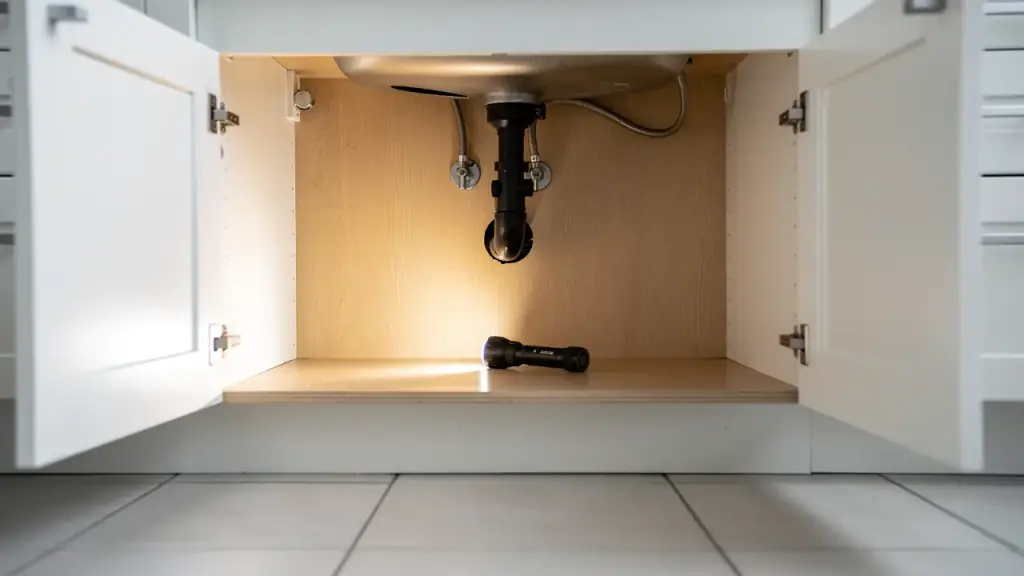
- Under sinks, where supply and drain pipes pass through the wall or cabinet floor
- Basement sill plates, where the foundation meets the wood framing
- Eave lines and rooflines, especially near vents or where wiring enters the attic
- Gaps around dryer vents and utility lines
- The bottom seal and corners of garage doors
Basement sill plates deserve a closer look than most homeowners give them. The seam where a concrete foundation meets the wood framing above it shrinks and shifts over the years, and it's dark and rarely inspected, which makes it an easy target. Eave lines are the other common weak point: wherever a vent, a cable, or a utility line was run through the roofline, the gap around it is often just caulked or foamed, and that seal doesn't last forever, especially after a hard winter or a summer of heat expansion and contraction.
Under-sink cabinets are worth a look too, since the hole cut for a supply line or a drain is rarely sealed tightly against the pipe itself. A gap that's barely visible from the front of the cabinet can be wide open behind it, right where the pipe disappears into the wall. Garage doors are another overlooked spot: the rubber seal along the bottom edge and the corners wears down over years of use, and a worn seal can leave a gap plenty wide enough for a mouse. Dryer vents have the same problem in reverse, since the flap that's supposed to keep the vent closed when the dryer isn't running can warp or stick open.
Rats and mice aren't quite the same problem
The two get lumped together, but they don't behave identically. Mice are curious and will nest almost anywhere in a structure, including walls and attic spaces well above ground level. Rats tend to be more cautious of new objects and new smells, and they generally prefer to stay closer to the ground, which is part of why basements and crawl spaces see rats more often than upper floors do. Both are capable climbers when there's a reason to be, so neither should be assumed to stay in one part of the house.
Signs you already have a problem
Droppings near food storage, along baseboards, or inside a cabinet are the clearest sign. Gnaw marks on cardboard, wiring, or the corner of a bag of pet food are another. Rodents also travel the same paths repeatedly, which leaves faint greasy smudges along the base of a wall where their fur brushes it night after night. Scratching in a wall cavity or the ceiling after dark, when the house is quiet, is often the first thing people notice.
What to do about it
Sealing an obvious gap helps, but finding every point of entry on a home usually takes more than a walk around the yard, since most of them sit somewhere you wouldn't normally look, tucked behind a downspout or hidden under a deck. Mice and rats are two of the creatures Integrated Pest Services removes, and preventative measures can be paired with the removal service to help stop them from coming back. The full list of what's covered, alongside the other wildlife that gets into homes across the Baltimore Metro Area, is on the wildlife removal page.
That pairing of removal and prevention matters more with rodents than with almost anything else, since a single mouse or rat that gets in usually means the entry point is still open for the next one. Addressing what let them in is as much a part of the job as dealing with the ones already inside.
If you've heard scratching at night or found droppings you can't explain, call (410) 802-0220 for a free quote, or reach the after-hours line at (443) 310-2072 for something that can't wait until morning. Integrated Pest Services has been a family company serving the Baltimore Metro Area since 1990, with no long-term contract required and $25 off for new customers.
Integrated Pest Services, (410) 802-0220
Call (410) 802-0220More articles
Where Bed Bugs Hide: A Homeowner's Checklist
Bed bugs are creatures of habit, and knowing their favorite hiding spots is the fastest way to confirm or rule out a problem.
What an MSDS and a Product Label Actually Tell You
An MSDS and a product label aren't fine print, they're the actual record of what's being used in your home and how to handle it safely.